













How AI Is Redefining Website Design For Real Businesses
Artificial intelligence (AI) is no longer a futuristic idea reserved for large tech brands. It now quietly sits inside the tools you already rely on for website design, analytics, content creation, and conversion tracking. Used correctly, AI can help you build sites that are faster, more engaging, and more profitable, without losing the human touch that makes your brand unique.
Learn how AI is changing website design right now, what it actually does behind the scenes, where human designers still matter, and how you can build an AI-ready website strategy. At the end, we will look at how a partner like Search Engine Projects can help you put all of this into practice.
From static brochures to intelligent experiences
Traditional websites were basically online brochures. You guessed what visitors wanted, created a few pages, and hoped your content answered their questions. Updates were manual and slow. User data, if you had any, sat in spreadsheets that only a few people ever looked at.
AI has changed this model. Today, AI-powered web design tools can:
- Generate layouts, copy, images, and even entire starter websites based on a short description of your business.
- Analyze how users move through your site and recommend design or content changes to improve engagement and conversions.
- Personalize what each visitor sees, based on their behavior, past visits, and preferences.
Instead of being a static brochure, your website can behave like a savvy digital salesperson that learns and improves every day.
What AI actually does in website design today
AI in website design is not one single tool. It is a collection of capabilities that appear across different parts of the design and development process. Here are the main ways it is used right now.
1. Faster builds and more intelligent automation
Modern AI design tools can help you go from idea to working layout in a fraction of the time that manual workflows used to require. Website builders and design platforms now use AI to:
- Suggest layouts based on your industry and goals
- Generate page sections, hero areas, calls to action, and image placements
- Create draft versions of entire sites that designers can refine instead of starting from zero
On the development side, code assistants such as GitHub Copilot and similar tools can auto-complete boilerplate code, suggest responsive layouts, and flag errors, significantly cutting down time spent on repetitive coding tasks.
The result is not that designers and developers disappear. The grunt work shrinks, allowing more time for strategy, storytelling, and testing.
2. Personalization at scale
AI personalization is one of the most powerful changes in modern website design. Instead of showing everyone the same homepage, AI can adjust content blocks, recommendations, and offers to match each visitor.
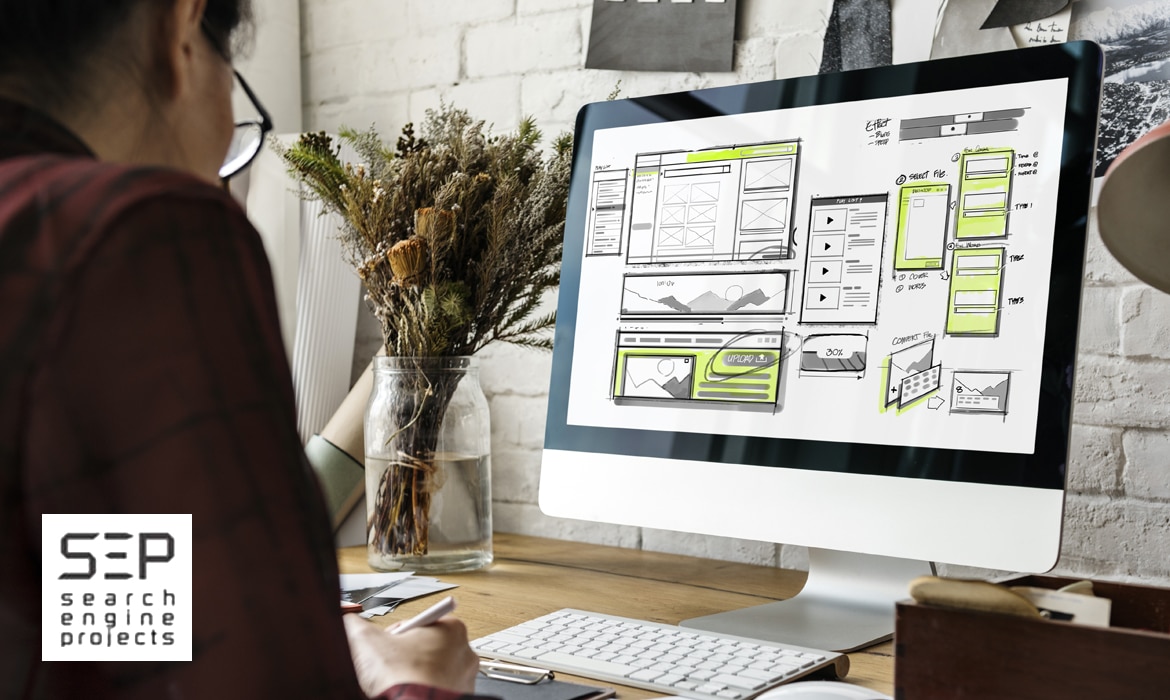
AI personalization tools analyze behavior, purchase history, on-site searches, location, and other signals to tailor messaging, product suggestions, and on-site experiences.
For example, your site might:
- Highlight different services for first-time visitors versus returning clients
- Show region-specific promotions based on location
- Recommend products based on what similar users viewed or bought
This kind of one-to-one experience was nearly impossible to manage manually. AI makes it practical even for small and midsize businesses.
3. Better user experience with AI-assisted UX design
User experience is where AI quietly does much of the heavy lifting. Studies of UX professionals show that many already use AI tools to automate tasks and gain deeper insights from user data.
AI can help with:
- Heatmap analysis and click tracking, to reveal where users hesitate or drop off
- Automated accessibility checks and suggestions
- Testing different variants of page layouts, headlines, and calls to action
- Identifying friction points in forms or checkout flows
Instead of guessing, teams can rely on data-driven recommendations. That allows designers to make changes that are more likely to improve engagement and conversion rates.
4. Content creation and optimization
AI writing tools and image generators are everywhere now, and they are deeply integrated into many website platforms and CMS systems. These tools can:
- Draft blog posts, service descriptions, and product copy
- Suggest page titles, meta descriptions, and alt text for images
- Generate or refine hero images, icons, and background visuals
Used thoughtfully, this does not replace expert content. It gives writers and marketers a strong first draft and a way to scale content production while still editing for accuracy, brand voice, and compliance.

5. Performance, SEO, and technical improvements
Behind the scenes, AI is also helping websites run better and rank higher. AI-based tools can:
- Compress and serve assets more efficiently for faster load times
- Auto-detect technical SEO issues, broken links, and inconsistent markup
- Help structure content so search engines and AI search systems understand it more clearly
As AI-powered search engines analyze content semantically, clean structure, relevant internal linking, and user-friendly layouts matter more than ever.
Will AI replace designers and developers?
Many designers and agencies have asked the same question: Will AI tools make human experts unnecessary?
Current evidence and industry opinion say no. Thought leaders in web design and UX repeatedly point out that AI is best used as an assistant that removes tedious tasks and amplifies human creativity, not as a total replacement.
Here is why humans remain essential:
- Strategy and positioning AI does not know your business goals, margins, lifetime value, or competitive landscape unless someone defines them.
- Brand and storytelling AI can mimic tone, but it does not live your brand culture or values. Great design connects with emotion, not only logic.
- Ethics and responsibility. Someone must make decisions about privacy, consent, and how user data is used.
- Integrated campaigns. Websites do not live alone. They connect with search ads, social campaigns, email flows, offline events, and sales processes. Those connections still need human planning.
The strongest results come when design teams treat AI as a powerful assistant that speeds up production and reveals patterns, while humans own the narrative, structure, and direction.
Practical ways to use AI on your website right now
If you are planning a new site or a redesign, you do not need to adopt every AI feature at once. Instead, you can layer AI into areas that will have the most significant business impact.
1. Smarter lead capture and customer support
AI chat widgets and virtual assistants can answer common questions, book appointments, and route leads to the right person in real time. Done correctly, this reduces response time and increases conversions without requiring someone to monitor messages all day.
An exemplary implementation will:
- Provide clear options for visitors who want to speak with a human
- Capture contact information in your CRM or email system
- Log common questions so you can improve your FAQ pages and service descriptions
2. AI-assisted content and design
For most businesses, a realistic first step is to let AI handle the first draft of content and layout ideas, then have a professional refine them.
You might:
- Use AI inside your CMS to generate starting copy for service pages
- Ask an AI design tool to suggest layouts for a homepage or landing page
- Let AI tools propose alternative headlines, calls to action, or section orders
Your team then reviews everything to ensure it matches your brand, is factually correct, and complies with any legal or industry standards you must follow.

3. Recommendation blocks and dynamic sections
Even without complex custom development, many platforms now allow you to drop in AI-powered recommendation modules. These can show:
- Related services or blog posts
- Suggested products based on browsing history
- Recently viewed items
Over time, these blocks help increase time on site and average order value.
4. Data-driven UX improvements
If your site already receives some traffic, an AI-informed UX analysis is enormously valuable. Tools that combine analytics, scroll maps, and automated insights can show you:
- Which sections do people ignore
- Where they abandon forms or carts
- Which devices or screen sizes have the highest bounce rates
Armed with this information, you can test more straightforward navigation, shorter forms, more transparent pricing, or more focused landing pages.
How to plan an AI-ready website redesign
If you are starting a new website or planning a redesign, you can future-proof your investment by thinking about AI from the beginning.
1. Start with business goals, not tools
Instead of asking “which AI tools should we use?” start by defining:
- What types of leads or sales do you want the site to generate
- Which audiences matter most to you
- What you want visitors to do in their first session versus later visits
Then you can identify where AI has the most leverage: faster content creation, better lead qualification, more intelligent recommendations, or something else.
2. Map user journeys before adding automation
AI does not solve a broken journey. If visitors find it confusing to understand what you do or how to contact you, no algorithm can fix that on its own.
Work through:
- How a cold visitor discovers you
- What they see on their first landing page
- How do they learn about your services
- What the path looks like from interest to booking or purchase
Once this is clear, you can intentionally place AI features into the journey rather than adding random widgets.
3. Choose platforms and tech that support AI growth
Many modern builders and content management systems are racing to add AI features.
When selecting or upgrading platforms, consider:
- Built-in AI tools for content and layout
- Integrations with analytics, CRM, and marketing automation systems
- Support for structured data and SEO best practices
- Ability to run A/B tests and analyze results without heavy custom coding
Even if you do not use every feature on day one, you will have room to grow.
4. Respect privacy and build trust
AI relies heavily on data, and users are more aware than ever of how their information is collected and used. Make sure your AI strategy includes:
- Clear privacy policies written in plain language
- Cookie and tracking disclosures that are honest and transparent
- Thoughtful limits on what you personalize, and how
Good design is not just beautiful. It is trustworthy.
Common mistakes to avoid with AI and website design
As with any new technology, AI comes with pitfalls. Some of the most common include:
Relying on generic templates
If you copy AI-generated layouts or copy word-for-word, your site may look and sound like everyone else in your niche. Continually refine and customize.
Ignoring brand voice and positioning
AI tools are good at pattern matching. If you do not feed them your unique value and tone, they will default to average industry language.
Over-automating the experience
A website that hides the human side of the business behind chatbots and automated replies can feel cold. Always provide clear ways to reach a real person.
Skipping fact checks
AI content can sound confident while being partially wrong or outdated. Every substantial factual claim should be verified, especially in regulated or technical fields.
Treating AI as a one-time project
The real power of AI comes from continuous improvement. Plan for ongoing optimization, not a single redesign and then forget it.
Bringing it all together with the right partner
AI is reshaping website design by making it more efficient, personalized, and data-driven. It can generate layouts and content in minutes, reveal where users struggle, and tailor experiences to each visitor. At the same time, it still relies on human judgment for brand strategy, storytelling, ethics, and overall direction.
For most businesses, the winning formula looks like this:
- Use AI to handle repetitive tasks and initial drafts
- Let data-driven insights guide your UX and content decisions
- Keep humans firmly in charge of brand voice, offers, and customer relationships
This is precisely where a specialist team makes a difference.
Search Engine Projects combines deep experience in website design, development, SEO, and AI-focused digital marketing. Our team understands how to:
- Plan websites around real business goals and measurable outcomes
- Integrate AI tools for content, UX, and analytics without losing your brand identity.
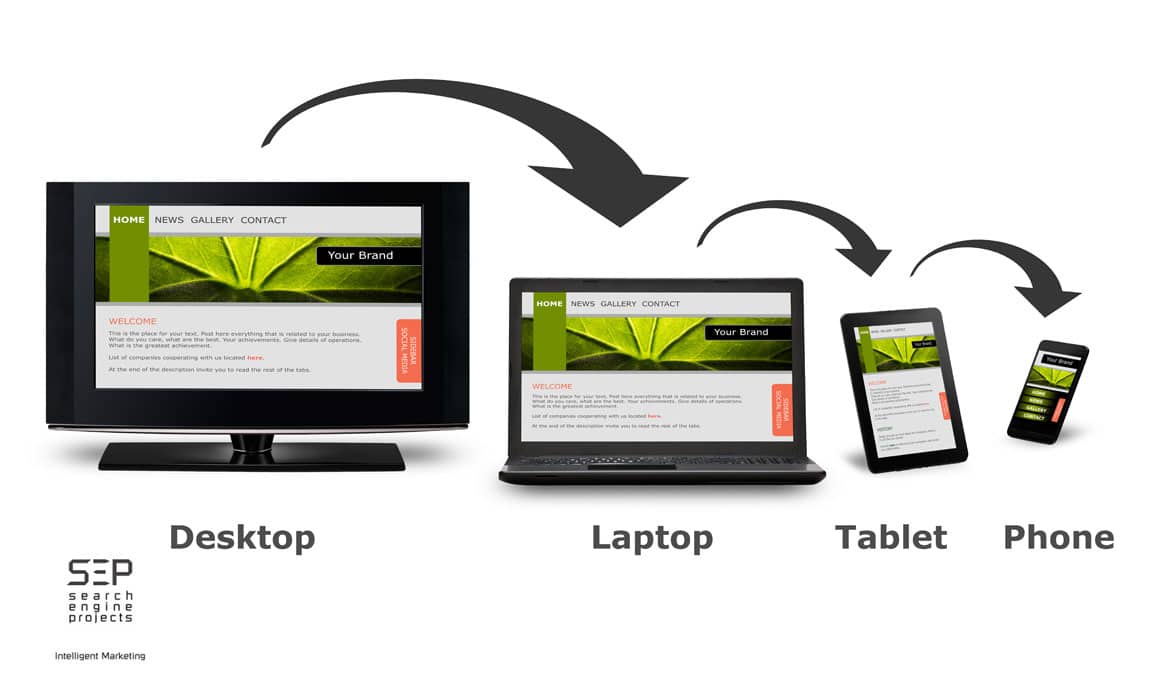
- Build fast, mobile-friendly, search-optimized sites that are ready for both traditional and AI-powered search engines.
If you are ready to upgrade your website from a static online brochure to an intelligent, conversion-focused growth asset, partnering with Search Engine Projects gives you access to one of the best website design and development teams dedicated to making AI work for real-world businesses, not just theory.