










What is Localization?
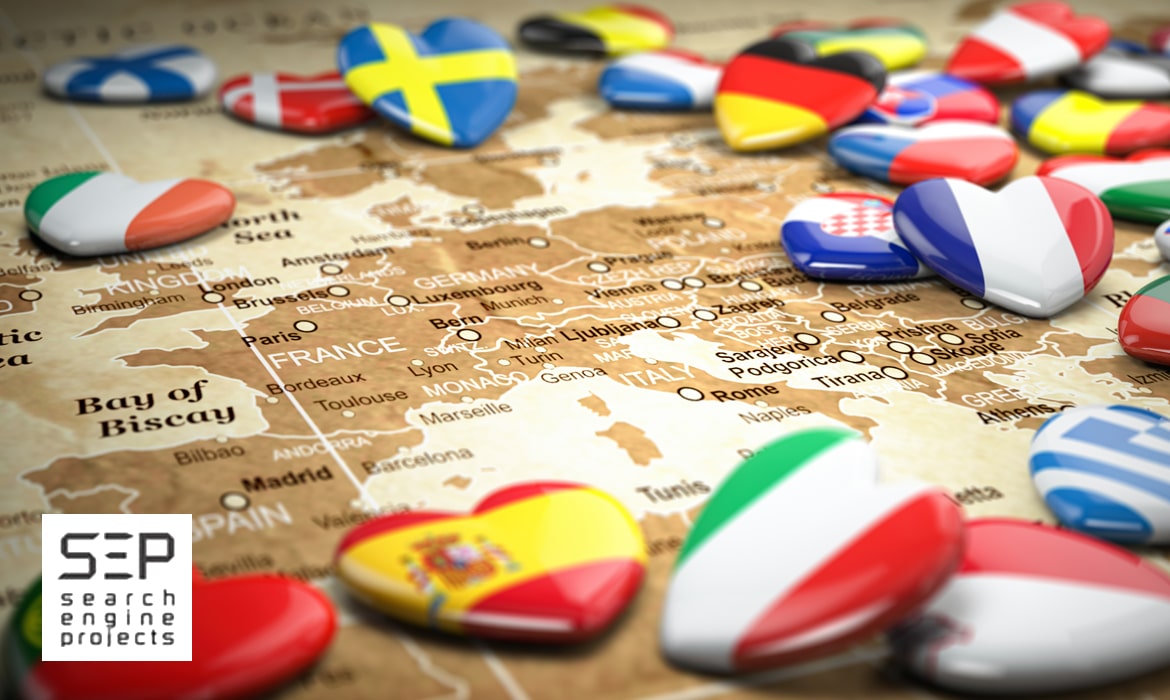
Localization (L10n) is the translation of a website into local languages to interact with foreign-language markets.
Non-English speaking users make up 70% of the total online population. Business web users are three times more likely to buy when addressed in their native languages (survey by Forrester Research).
We specialize in website translation, search engine submission, and website optimization in most European and Asian languages. The most common translation requests include Spanish, French, German, Italian, Portuguese, Dutch, Russian, Chinese, Japanese, Korean, and Arabic.
Our Website Translation and Optimization Service Package Includes:
Web page translation and web content localization. Not only do we convert web pages and graphics, but we also ensure that the translated websites function fully in the target language environment.
Search engine submission – We optimize the keywords and descriptions of the translated website for ideal search engine rankings. Website updates and technical support – Our professional translators and AI like ChatGPT handle our human translation. Who are native speakers and have years of website translation experience?
We are not hired for the ability to take a word in one language and convert it into an equivalent in another. This can happen through Google translation or AI like ChatGPT. Instead, we get to the heart of communication and convey the true meaning of your message, because we know that an improper translation may cause irreparable damage to your organization’s image. Our references and sample work are available if you’d like.
Our Website Translation Services Include:
- Website Translation
- E-Commerce Website Translation
- Marketing & Advertising Translation
- Market Research Translation
- Legal Translation
- Financial Translation
- Medical & Pharmaceutical Translation
- Marketing & Advertising Translation
- Market Research Translation
Search Engine Projects (SEP) will help your websites achieve the correct positions quickly and affordably worldwide.
Web Page Translation Services: Which One Should You Choose?
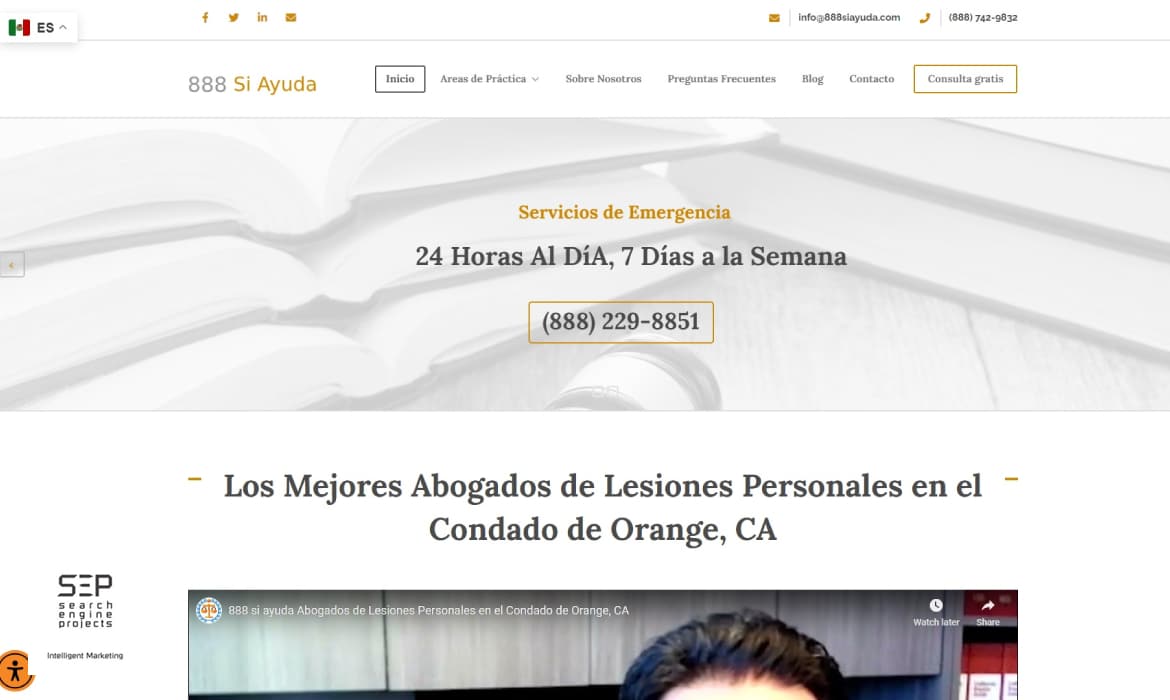
In today’s digital world, businesses need to have an online presence. However, if your website is only in one language, you’re missing out on potential customers who speak other languages. That’s where website translation services come in. These services can translate your web page content into multiple languages to help you reach a broader audience. But, with so many options available, which one should you choose? In this article, we’ll compare machine translimplemansimple translation services to help you make an informed decision.
Machine Translation
Machine translation is an automated process that uses artificial intelligence to translate text from one language to another. This method is quick, convenient, and often free. However, the quality of the translation can vary widely. Machine translation is best for simple and straightforward text, such as product descriptions or blog posts. If you need a more accurate translation or have technical content, there may be better options than machine translation. There may be better options than machine translation.
Human Translation
On the other hand, human translation is performed by professional translators who are fluent in both the source and target languages. This method is more accurate and can handle complex and technical content. Human translation is also essential for quality assurance. Translators can identify and correct grammatical errors or cultural nuances that machine translation may miss. However, human translation can be more time-consuming and expensive than machine translation.
Human and Machine Translation
Some translation services use a combination of human and machine translation. In this process, machine translation is used to translate the content initially, and human translators then edit and refine the translation. This method can provide the accuracy of human translation with the speed of machine translation. However, it’s essential to choose a service with a rigorous quality assurance process to ensure the final result is of high quality. You have a few options to translate your website.
Translating Your Website
You have a few options for translating your website. Some web browsers, such as Google Chrome and Microsoft Edge, have a built-in translate button that automatically translates the page, rendering the entire site in your preferred language. This method uses machine translation and is quick and convenient. However, the quality of the translation may not be as accurate as using a professional translation service.
Another option is their viewing page, a translation pop-up, or a dropdown menu. This method allows users to select their preferred language and only translate the content on their viewing page. It considers using a rate rather than automatic translation, but may need a more seamless user experience.
Finally, you can hire a professional translation service to translate your website. This method provides the highest quality translation but can be the most time-consuming and expensive.
Choosing the Right Translation Service
When choosing a translation service, consider your target audience and target market. If you’re targeting a local market, you should use a service specializing in translation into local languages. If you’re targeting a global audience, consider using a service that offers a wide range of target languages.
The translation process used by the service. Do they use machine translation, human translation, or a combination of both? Do they have a rigorous quality assurance process? Will they be able to handle the technical content on your website?
In conclusion, there is no one-size-fits-all solution for website translation services. Consider the type of content you need to translate, your target audience, and your budget when making your decision. You can expand your reach and connect with a broader audience with the right translation service online, from the comfort of your home.
Website Translation Tips:
The brilliant thing about the internet is that global audiences can access any information from the comfort of their own homes. If you want an international data global audience, make sure your website is mobile-friendly, as more and more internet users are going mobile. If you want to make information transfer even more accessible, consider translating your page into your target audience’s languages. Here are some critical tips for website translation:
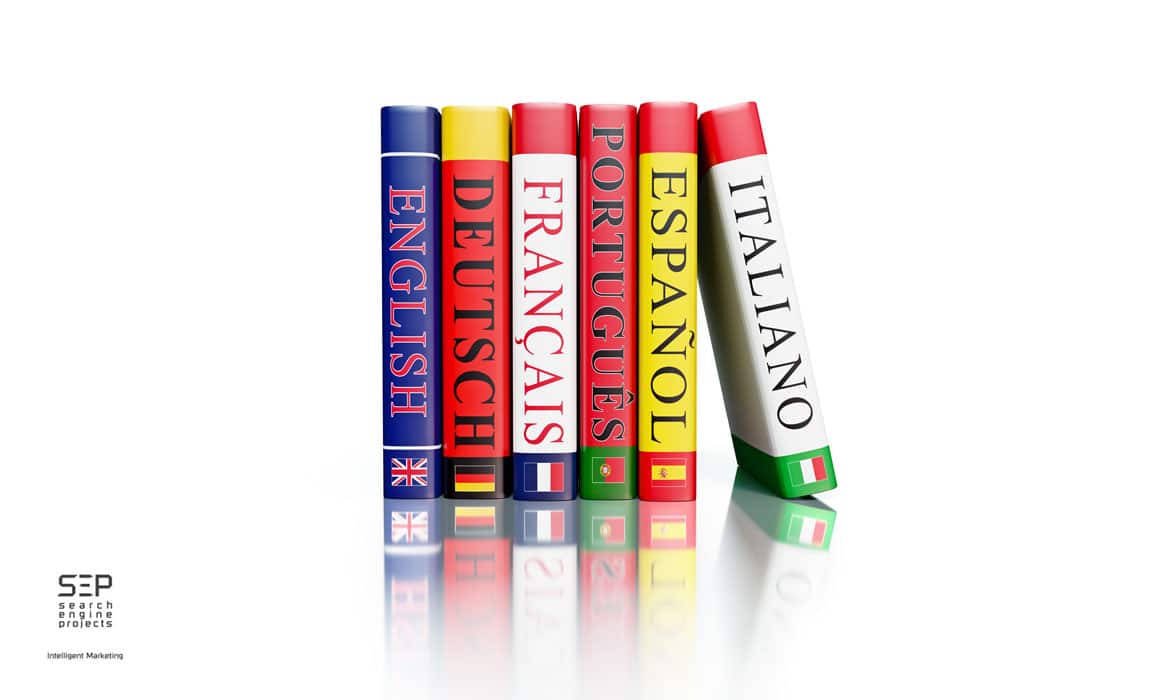
Although it is becoming increasingly popular for website browsers to include inbuilt translation devices (such as Google Translate) you should never rely only on these tools to provide an accurate website translation. While these machine translation technologies are constantly improving, they still need to correct their grammar and syntax. They can. Your customers need clarification about the true meaning of your website translation.
Direct, word-for-word website translations may not be the best idea. If you hire a native speaker to do your translations for you, they will be able to suggest more appropriate turns of phrase to convey what you want to express in a foreign language. Is this excellent if your website translation uses slang terms or idiomatic expressions?
When translating a website, always consider search engine optimization techniques to help foreign-language speakers find your website. Keywords that prove less successful in English may not be as successful once translated into a second or third language. When translating information on your website, be prepared to adapt it slightly to make it more SEO-friendly in the second language.
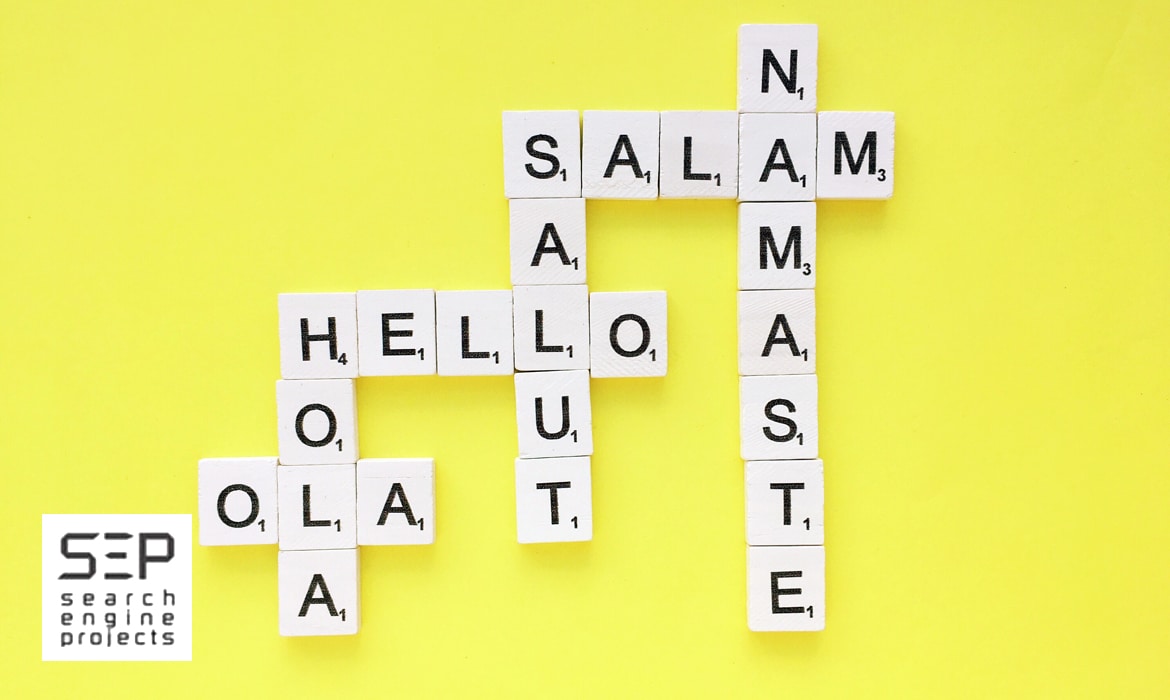
Be cautious that the messages of some of these languages are more extensive than those of English, whereas other languages can convey their message more briefly. Furthermore, the formatting of your existing website may only be suitable for the website style once a translation has been completed. This can mean you need that area of the website to accommodate longer or shorter text after it has been translated.
Suppose you are translating for a localized audience. In that case, you can add things to your website translation that are designed for that localized audience and available only to people living there. For example, if you must only be available to users in France. Conversely, you do not need to translate things that will not be relevant to users in that location to people who live in the United Kingdom.
One final thing to remember is that if you are willing to translate your website into a foreign language, you should plan for it; please have the business infrastructure in place to deal with customers who want to do business in that language. There is no point in translating a website into French or Spanish if no one can respond to customer queries in those languages.
Website translation can open your website up to a much wider audience. If you plan to translate a website, follow these tips for better results.
ChatGPT vs. Google Translate: Which One Should You Choose for Translations
In today’s world, where globalization is at its peak, it is essential to have a tool that can bridge language gaps between cultures and people. With the advent of technology, many translation tools are now available, including ChatGPT and Google Translate, two of the most popular. In this article, we will compare these two tools and help you decide which one to choose for your translation needs.
ChatGPT is a language model based on the GPT-3.5 architecture.OpenAI developed. It is an AI-powered conversational agent that can generate human-like responses to a wide range of queries. It can also translate text from one language to another, making it a versatile tool for communication across different cultures and languages. Google Translate, on the other hand, is a t translation tool developed by Google. Critical differences between the two use machine learning to translate text between languages.
When it comes to translation accuracy, both ChatGPT and Google Translate are pretty accurate. However, critical influence your choice. Firstly, ChatGPT can handle more complex and nuanced translations than Google Translate, thanks to its advanced natural language processing (NLP) capabilities. It can understand the context and meaning behind words and phrases, producing more accurate translations. Google Translate, on the other hand, relies more on statistical models and may need more nuanced translations.
Another significant advantage of ChatGPT is its ability to handle multiple languages simultaneously. You can input text in one language and get translations in various other languages simultaneously. This can be a huge time-saver and supports multiple languages. Use it especially if you regularly use Google Translate, which also supports multiple languages, but you must input text separately for each language.
Regarding user interface and ease of use, ChatGPT and Google Translate are pretty user-friendly. Google Translate has a more straightforward interface, with a simple text box where you can input text and select the target language. ChatGPT, conversely, is more conversational, which may be more appealing to some users. However, it may take a bit of getting used to if you are used to more traditional translation tools.
In terms of pricing, both ChatGPT and Google Translate are free to use. However, ChatGPT is only available through select applications and platforms, while Google Translate is available as a standalone web application and mobile app. Additionally, Google Translate offers a paid API service for businesses and developers who need more advanced translation capabilities.
So, which one should you choose? Ultimately, it depends on your specific needs and preferences. If you are looking for a tool that can handle complex, nuanced translations and multiple languages at once, ChatGPT is the way to go. However, Google Translate may be the better option if you are looking for a more straightforward, easy-to-use, and widely available translation tool. Regardless of which you choose, ChatGPT and Google Translate are excellent tools for bridging language gaps and connecting people across cultures and languages.
Search Engine Projects (SEP) will help your website reach the correct positions quickly and affordably. Please call 888-669-6961 to speak with a member of our staff about website translation and localization.