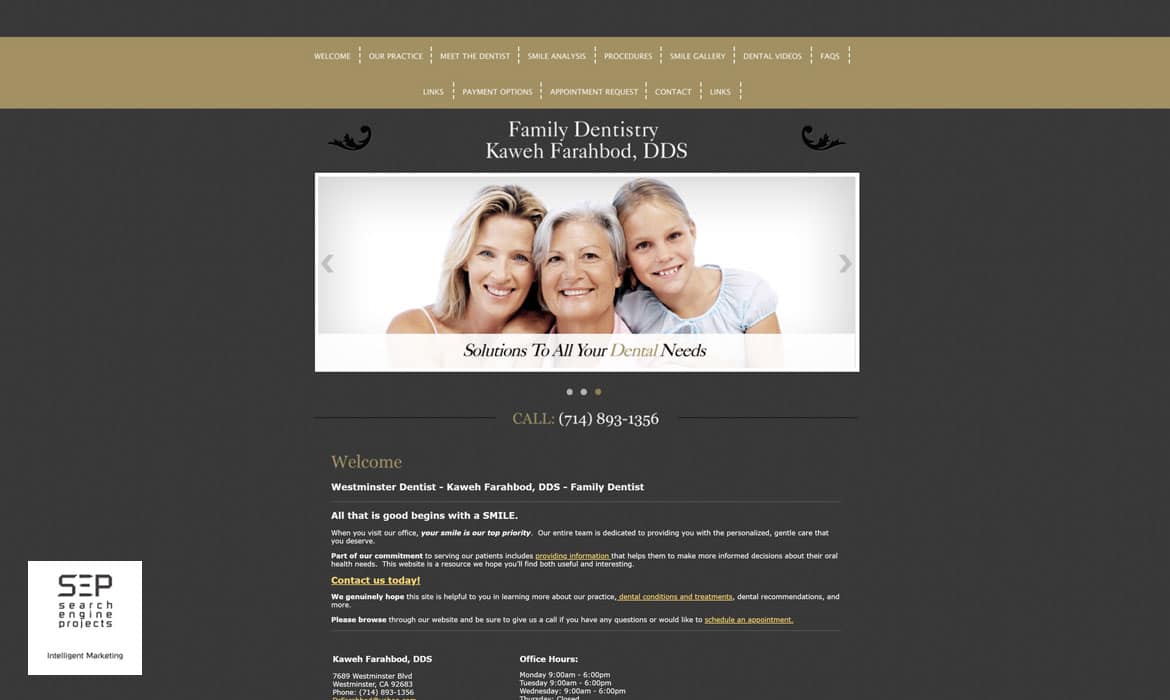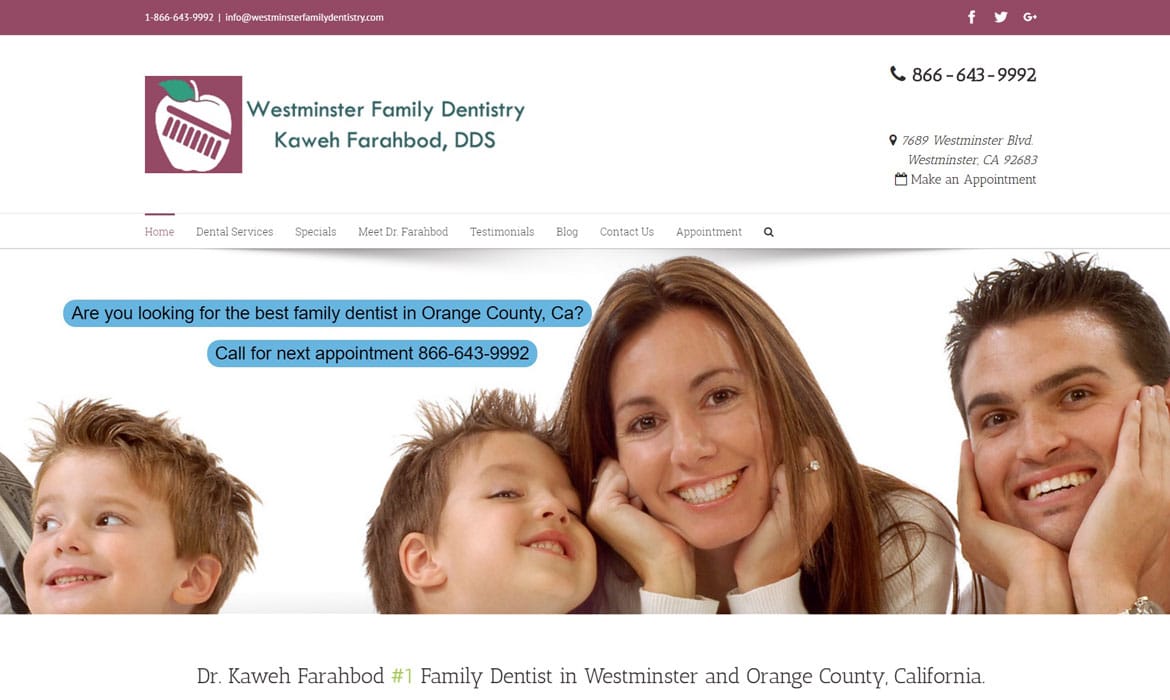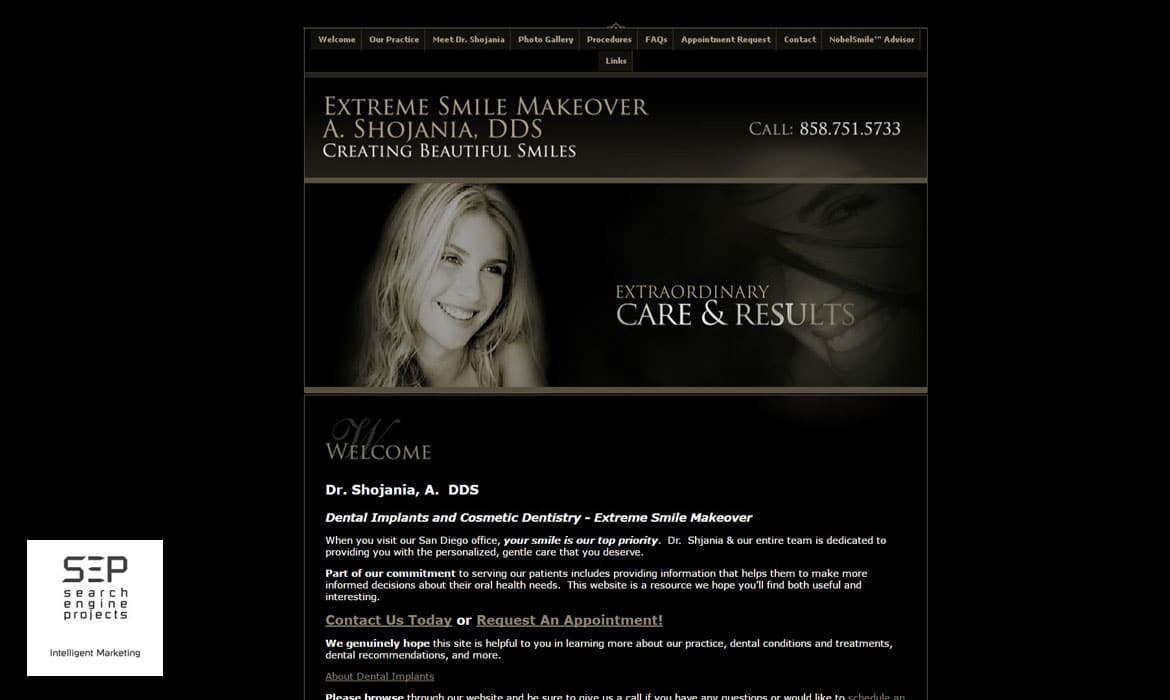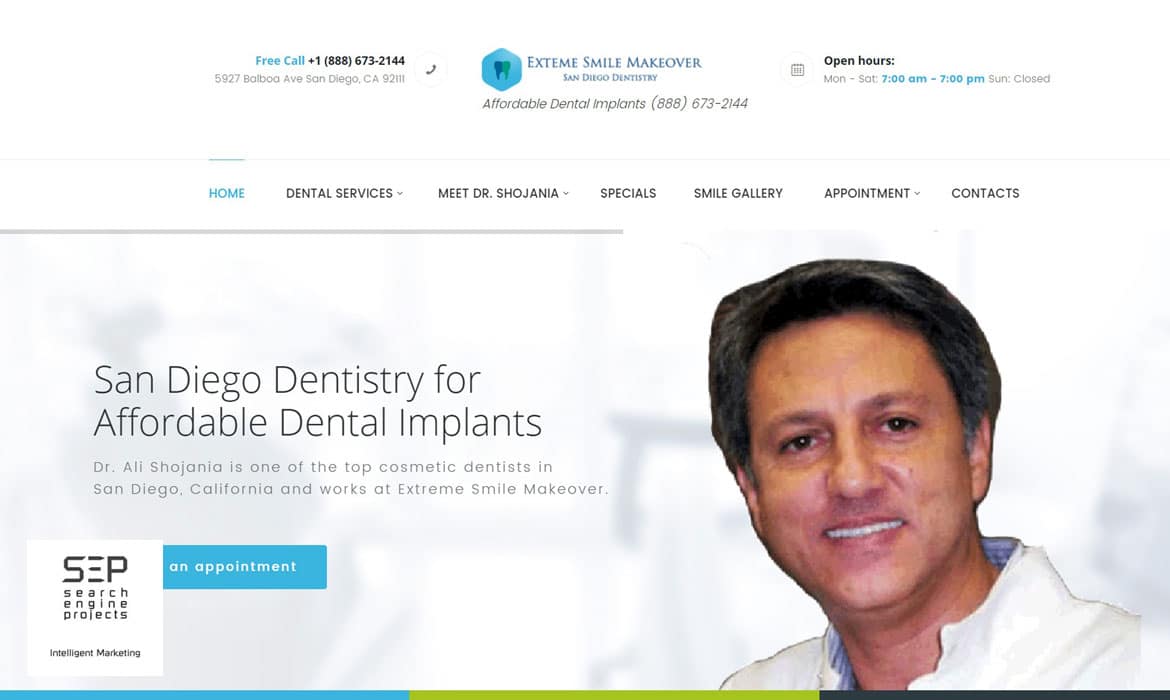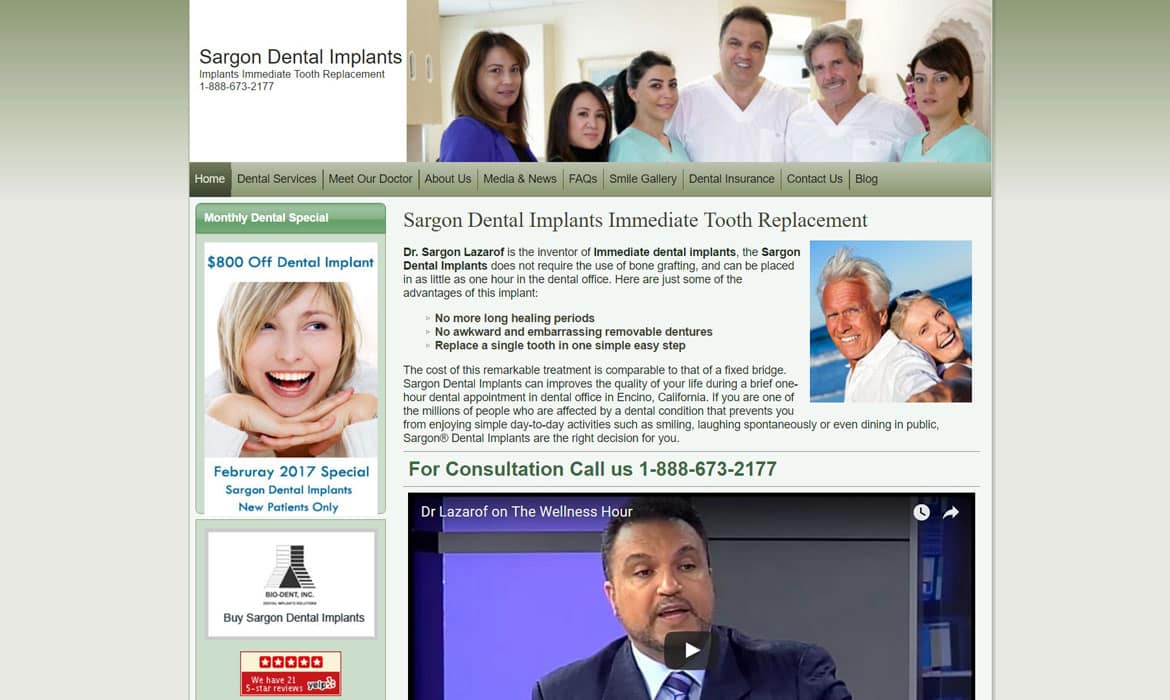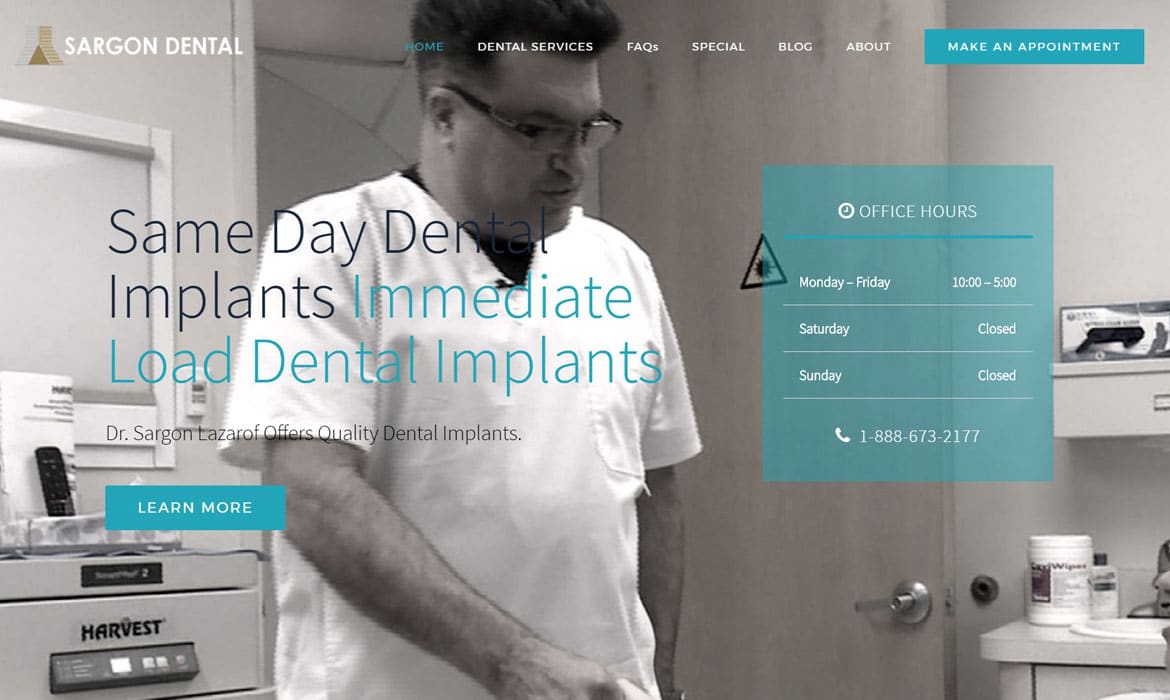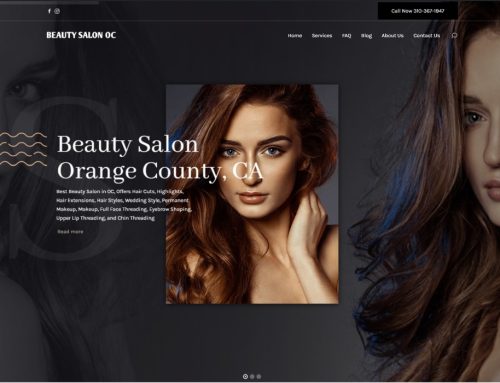












Dental Website and Dental Marketing
Project Brief
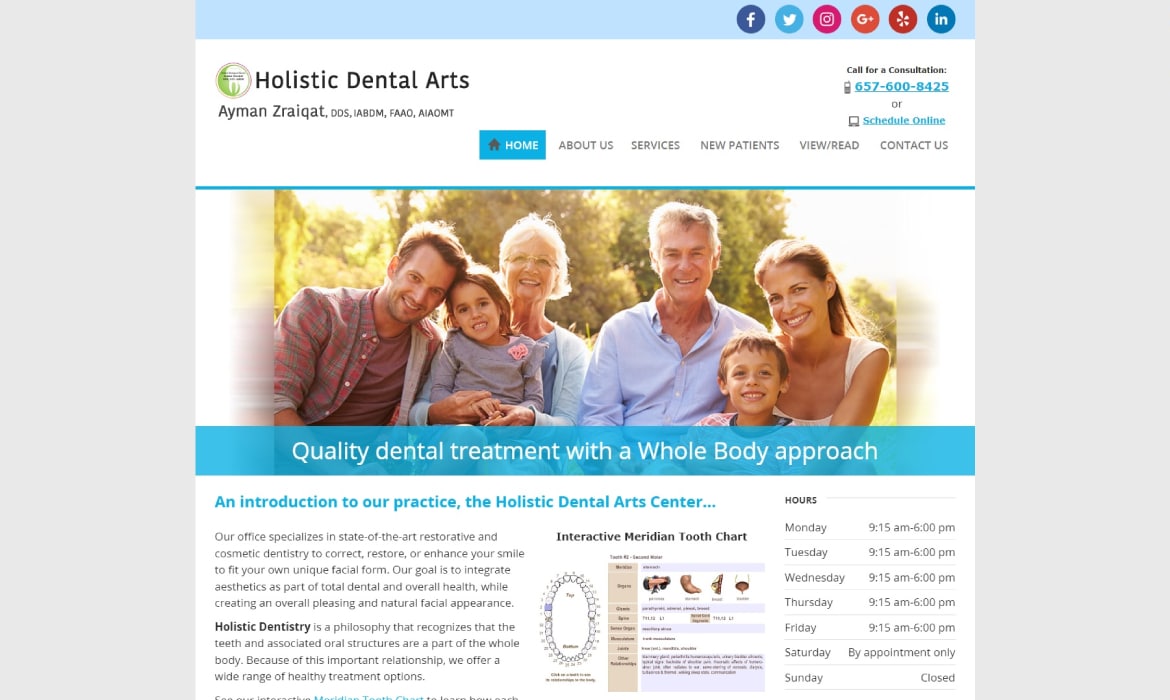
Holistic Dental Arts is a dental practice in Santa Ana, California, seeking to attract more qualified patients throughout Orange County. The practice wanted stronger visibility for specialized services, including Holistic Dentistry, Zirconia Dental Implants, and Biomimetic Dentistry, while building greater authority in local and AI-powered search results.
The Challenge
Orange County is a highly competitive dental market, with established and growing practices competing for visibility on Google, Google Maps, Bing, and AI search platforms. The existing website design needed to remain in place, limiting major platform changes. Content required optimization, social media activity was inconsistent, and the site needed stronger local relevance, service-focused authority, and improved search visibility.
The Solution
Within 60 days, we improved the dental website’s SEO and GEO foundation by optimizing page content, title tags, internal linking, service relevance, and indexing. We also strengthened social media consistency and managed Google Ads for the dental practice, focusing on reducing wasted ad spend, improving conversion performance, and generating more qualified patient inquiries.

Why Digital Dental Marketing Matters for Dentists Today
Patients no longer rely only on referrals, insurance directories, or recommendations from friends when choosing a dentist. They search Google, explore Google Maps, read reviews, visit dental websites, watch videos, compare treatment options, and increasingly use AI platforms to research dental services and providers.
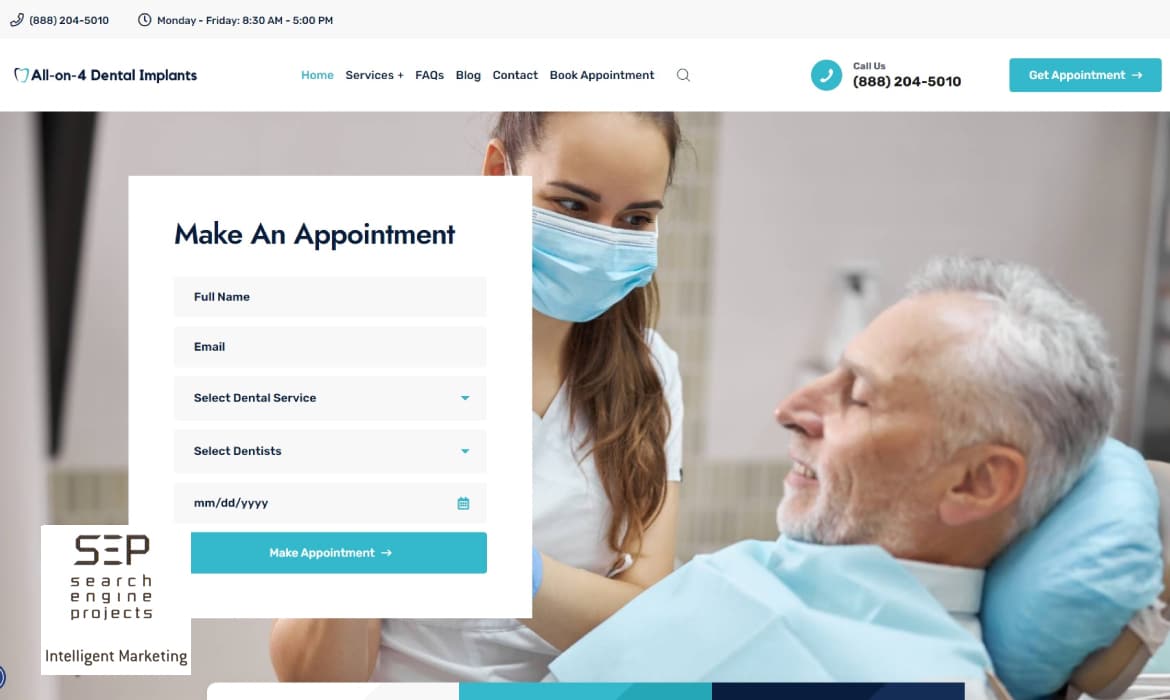
For dental practices, this means a strong digital presence is no longer optional. Effective digital dental marketing helps dentists increase visibility, attract qualified new patients, build trust, promote high-value treatments, and compete in crowded local markets.
A specialized dental marketing agency understands that promoting a dental practice requires more than increasing website traffic. The goal is to connect the practice with prospective patients who are actively searching for services such as dental implants, cosmetic dentistry, veneers, emergency dentistry, Invisalign, full mouth reconstruction, family dentistry, and other treatments.
Modern dental marketing should combine search engine optimization (SEO), Generative Engine Optimization (GEO), Local SEO, Google Ads, website optimization, reputation management, content marketing, social media, video, and conversion tracking into one coordinated patient-acquisition strategy.
Dental Marketing Agencies and Search Engine Marketing
A dental marketing agency specializes in helping dental practices improve their visibility across digital channels. These channels may include Google Search, Google Maps, AI search platforms, social media, paid advertising, video platforms, email marketing, online directories, and dental practice websites.
Unlike a general marketing company, an experienced dental marketing agency understands the patient journey and the unique challenges involved in marketing healthcare services.
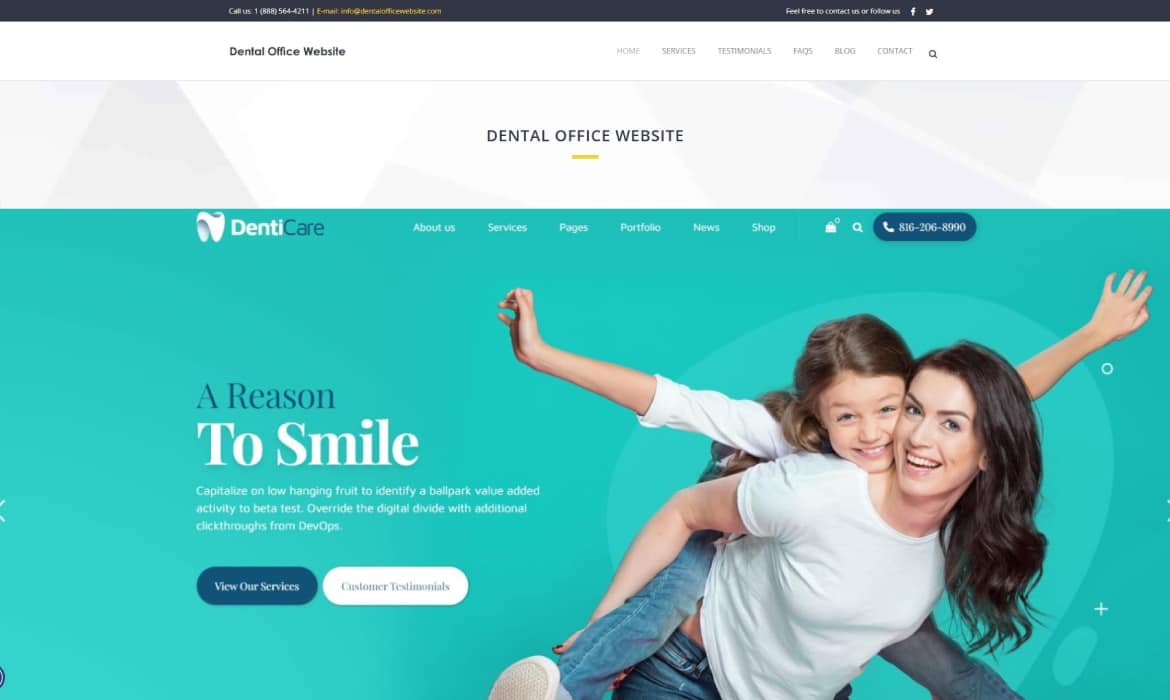
Someone searching for an emergency dentist, for example, has very different needs from someone researching porcelain veneers or comparing dental implant options. Search intent, urgency, treatment value, questions, and the decision-making process vary significantly by service.
An effective dental marketing strategy should therefore be built around the practice’s actual treatments, target patients, geographic market, competition, and business objectives.
What Should a Dental Marketing Agency Provide?
A comprehensive dental marketing strategy may include:
- Building and strengthening the dental practice’s online presence
- Improving organic visibility through dental SEO
- Optimizing the practice for Google Maps and local searches
- Improving visibility across AI-powered search platforms through GEO
- Managing targeted Google Ads campaigns
- Developing treatment-specific landing pages
- Improving website usability and conversion rates
- Creating authoritative dental content
- Managing online reviews and reputation
- Developing video and social media content
- Tracking phone calls, forms, appointments, and qualified leads
- Measuring marketing performance and return on investment
The strongest strategy is usually not based on a single marketing channel. SEO, GEO, Local SEO, paid advertising, content, reputation, and website conversion optimization should support one another.
How Does Digital Marketing Help Promote a Dental Practice?
Patients frequently begin their search for dental care online. They may search for phrases such as “dentist near me,” “dental implants near me,” “emergency dentist,” “cosmetic dentist,” or more detailed questions about a specific treatment.
A successful digital dental marketing strategy makes the practice visible during these important stages of the patient’s research and decision-making process.
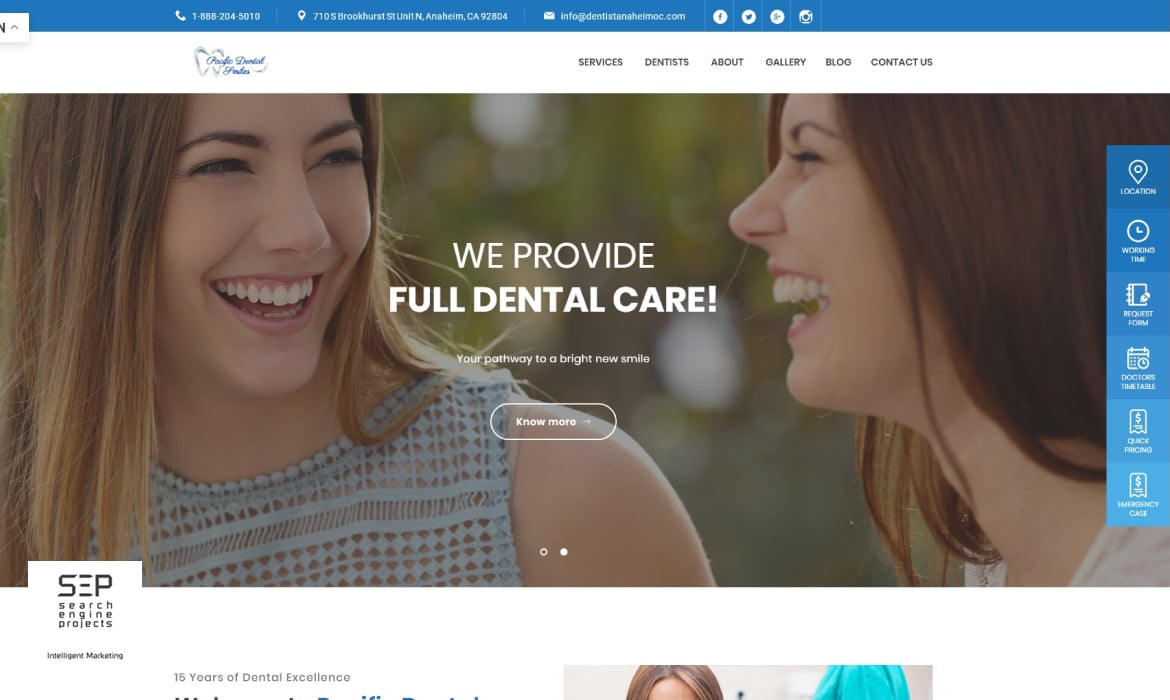
Increase Dental Practice Visibility
One of the primary objectives of digital dental marketing is increasing the practice’s visibility where prospective patients are searching.
A dental practice may need visibility across:
- Google organic search results
- Google Maps
- Google Business Profile
- AI-generated search answers
- Online dental directories
- Review websites
- YouTube
- TikTok
- Other relevant digital platforms
Strong visibility allows a dental practice to reach prospective patients before they choose a competing provider.
However, simply appearing online is not enough. The website and practice profiles must communicate expertise, treatment options, location, credentials, patient experience, and clear next steps.
Dental Search Engine Optimization
Dental SEO helps a dental website appear prominently when prospective patients search for relevant treatments and information.
A comprehensive dental SEO campaign may include:
- Keyword research
- Treatment page optimization
- Local landing pages
- Technical SEO
- Internal linking
- Content development
- Website speed improvements
- Mobile optimization
- Local citations
- Reputation signals
- Structured data
- Authority building
- Conversion optimization
Rather than targeting only broad phrases such as “dentist,” a dental SEO strategy should focus on the services that matter most to the practice.
These could include dental implants, immediate dental implants, cosmetic dentistry, veneers, crowns, emergency dentistry, dentures, full mouth reconstruction, root canal alternatives, Invisalign, or other procedures.
Generative Engine Optimization for Dentists
Search behavior is changing as consumers increasingly use AI-powered tools to research products, services, health information, and local businesses.
Generative Engine Optimization, or GEO, helps AI-powered search systems better understand a dental practice and its expertise.
For dentists, GEO should complement traditional SEO rather than replace it.
A dental GEO strategy can include:
- Clearly identifying the dentist, practice, services, and locations
- Publishing detailed answers to common patient questions
- Developing authoritative treatment content
- Strengthening dentist credentials and expert authorship
- Creating consistent business information across trusted websites
- Building strong internal relationships between services, locations, doctors, and educational resources
- Earning relevant citations and mentions
- Improving structured information about the dental practice
- Publishing original insights and first-party expertise
- Maintaining strong patient reviews and reputation signals
For example, instead of publishing a short page that states that a practice provides dental implants, a stronger SEO and GEO resource would explain candidacy, treatment options, recovery, costs, benefits, alternatives, commonly asked questions, and what makes the dentist qualified to provide the treatment.
This provides both traditional search engines and AI systems with clearer contextual information.
Local SEO and Google Maps Marketing for Dentists
Local visibility is especially important for dental practices because most patients want a provider within a practical driving distance.
A strong Local SEO strategy for dentists should include optimization of the practice’s Google Business Profile, website, local citations, reviews, location pages, and treatment information.
Important Local SEO elements include:
- Correct business name, address, and phone number
- Appropriate Google Business Profile categories
- Complete dental service information
- Accurate office hours
- High-quality office and treatment photos
- Regular review generation
- Professional responses to patient reviews
- Localized website content
- Consistent citations across trusted directories
- Treatment-specific local keywords
- Strong internal linking between service and location pages
Rather than repeating city names in generic content, dental location pages should include meaningful information about the communities served and the dental services relevant to patients in those areas.
Targeted Google Ads for Dentists
Organic SEO is a long-term strategy, while pay-per-click advertising can help dentists reach prospective patients immediately.
Google Ads can be particularly effective for high-intent searches such as:
- Emergency dentist near me
- Dental implants near me
- Cosmetic dentist near me
- Same-day dental implants
- Veneers near me
- Full mouth dental implants
- Dentist accepting new patients
Campaigns can be targeted geographically so that advertisements appear primarily to prospective patients within the practice’s realistic service area.
Successful dental PPC management requires more than selecting keywords. Campaigns should also consider negative keywords, landing-page relevance, call tracking, geographic targeting, scheduling, conversion tracking, device behavior, and the actual quality of leads generated.
The objective should not simply be obtaining inexpensive clicks. The objective should be generating qualified patient inquiries.
Dental Website Design and Conversion Optimization
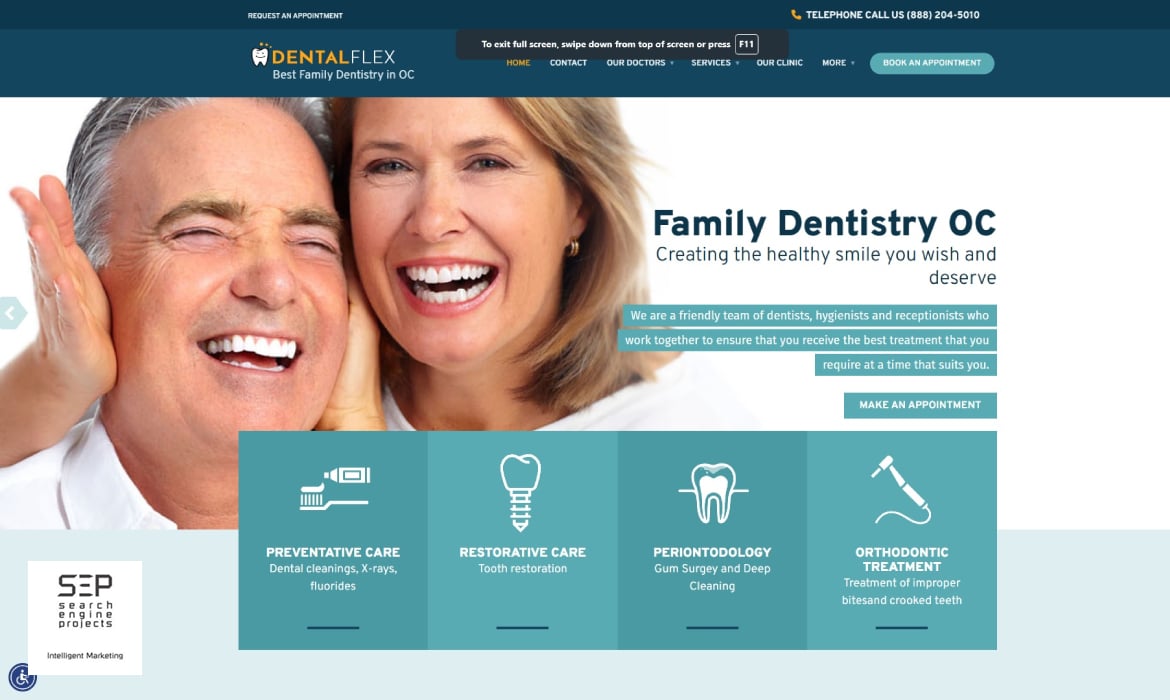
A dental website is often the first substantial interaction a prospective patient has with the practice.
Patients may evaluate the dentist based on the website before ever calling the office.
A dental website should clearly communicate:
- Who the dentist is
- Where the practice is located
- Which treatments are available
- Why patients should trust the practice
- Dentist credentials and experience
- Before-and-after results when appropriate
- Patient reviews and testimonials
- Financing or insurance information when applicable
- How to request an appointment
- How to contact the office
The website should also load quickly, function properly on mobile devices, and make it easy for patients to call or submit an appointment request.
Measure Marketing Performance
One advantage of digital dental marketing is the ability to measure performance.
Dental practices can track metrics such as:
- Organic website traffic
- Keyword visibility
- Google Maps visibility
- Google Ads conversions
- Phone calls
- Appointment requests
- Contact form submissions
- Cost per lead
- Conversion rate
- Qualified patient inquiries
- Revenue attributed to marketing campaigns
Website analytics and call-tracking systems can help determine which marketing channels are generating actual patient opportunities.
Base marketing decisions on meaningful business results rather than traffic or impressions alone.
A campaign generating 1,000 website visitors with very few qualified inquiries may be less valuable than a campaign generating 300 visitors who consistently request high-value treatments.
Build Dentist Authority and Trust
Healthcare decisions require trust.
A prospective dental patient may want to understand the dentist’s credentials, treatment philosophy, experience, technology, and approach before scheduling an appointment.
Dental practices should therefore create strong authority signals throughout their websites.
These can include:
- Detailed dentist biographies
- Professional credentials
- Education and training
- Treatment experience
- Professional memberships
- Original educational content
- Expert-reviewed articles
- Patient testimonials
- Case studies
- Before-and-after examples
- Video explanations from the dentist
This information helps prospective patients evaluate the provider while giving search engines and AI systems stronger context about the dentist’s expertise.
Video Marketing for Dentists
Video can be highly effective for explaining dental procedures and reducing uncertainty.
Rather than relying only on written descriptions, dentists can create videos that discuss treatments, answer patient questions, introduce the practice, or explain what patients can expect during appointments.
Potential video topics include:
- What happens during dental implant surgery?
- How long do dental implants last?
- What is the difference between dentures and implant-supported dentures?
- What should patients expect after receiving veneers?
- Who is a candidate for full mouth reconstruction?
- What happens during an emergency dental visit?
Videos can be published on the dental website, YouTube, Google Business Profile where applicable, Instagram, Facebook, and other relevant platforms.
Video content can also be incorporated into treatment pages to improve engagement and demonstrate first-hand expertise.
Social Media Marketing for Dental Practices
Social media marketing allows dental practices to maintain visibility and build relationships with current and prospective patients.
Platforms such as Instagram, Facebook, TikTok, and YouTube can be used to share:
- Patient education
- Before-and-after cases
- Dentist introductions
- Team updates
- Office information
- Treatment explanations
- Dental health tips
- Community involvement
- Videos
- Patient success stories when proper authorization has been obtained
The goal should not be to post merely to maintain a schedule. Content should be informative, trustworthy, visually engaging, and relevant to the patients the practice wants to attract.
Reputation and Patient Reviews
Online reviews can significantly influence how prospective patients evaluate a dental practice.
Patients frequently look at both the overall rating and the substance of individual reviews before contacting a dentist.
Dental practices should have a consistent process for encouraging satisfied patients to share their experiences on appropriate review platforms.
The practice should also respond professionally to reviews. Public responses demonstrate that the dental office values patient feedback and actively manages its reputation.
Review strategies must always respect applicable privacy requirements and platform policies.
Geo-Targeted Dental Advertising
Geographic targeting helps dental practices concentrate advertising budgets on the areas most likely to produce patients.
For example, a dental practice may target prospective patients in selected cities, ZIP codes, or within a reasonable distance of the office.
Geo-targeted advertising can be particularly useful for:
- Dental implants
- Cosmetic dentistry
- Emergency dentistry
- Veneers
- Invisalign
- Full mouth reconstruction
- New patient promotions
Evaluate campaign performance by location so you can adjust budgets based on where qualified leads and patients are actually coming from.
Email Marketing and Patient Retention
Dental marketing is not limited to acquiring new patients.
Maintaining relationships with existing patients can improve retention and encourage patients to return for preventive care and future treatment.
Email communication can be used for:
- Appointment reminders
- Continuing-care information
- Practice announcements
- Oral-health education
- New service announcements
- Seasonal information
- Appropriate promotions
Communication should remain useful and relevant, not excessive.
Professional Networking and Community Visibility
Digital marketing should support a dental practice’s real-world reputation.
Dentists can strengthen their professional visibility by developing relationships with other healthcare providers, participating in professional organizations, supporting community activities, and contributing useful educational information within their areas of expertise.
These relationships can generate professional referrals, local citations, media opportunities, authoritative mentions, and other signals that strengthen the practice’s overall reputation.
Patient Referrals
Patient referrals remain one of the most valuable sources of new dental patients.
The foundation of referral marketing is an excellent patient experience.
Patients are more likely to recommend a dental practice when they feel that the dentist and team:
- Listen carefully to their concerns
- Clearly explain treatment options
- Treat patients professionally and respectfully
- Make scheduling and communication convenient
- Provide appropriate follow-up
- Create a positive overall experience
Digital marketing can support referrals by making it easy for referred patients to research the dentist, verify credentials, read reviews, understand services, and schedule an appointment.
Why Dental Practices Need an Integrated Marketing Strategy
No single marketing tactic should operate independently.
A potential patient might first discover a dental practice through Google Ads, later research the dentist through organic search, read Google reviews, visit a treatment page, watch a YouTube video, and finally call the office.
This is why successful dental marketing requires coordination between:
SEO + GEO + Local SEO + Google Ads + Website Optimization + Reputation + Content + Video + Social Media
Each component supports a different stage of the patient’s decision-making process.
The objective is not simply to generate traffic. It is to build a digital presence that helps the right patients discover the dental practice, understand its expertise, develop trust, and take action.
Dental Marketing by Treatment Type
Different dental treatments require different marketing strategies.
Dental Implant Marketing
Dental implant patients often conduct extensive research before selecting a provider. Detailed educational content, dentist credentials, treatment comparisons, case examples, video explanations, SEO, GEO, and high-intent advertising can all play important roles.
Cosmetic Dentistry Marketing
Patients considering veneers, smile makeovers, bonding, or other cosmetic treatments are often influenced by visual evidence. Before-and-after photography, dentist experience, patient reviews, website design, video, and social media can be particularly valuable.
Emergency Dental Marketing
Emergency patients usually have immediate intent. Local SEO, Google Maps visibility, mobile website performance, accurate office hours, Google Ads, and prominent phone contact information become especially important.
Full Mouth Reconstruction Marketing
Patients researching complex restorative treatment require significant education and trust. Detailed procedure information, dentist credentials, treatment planning explanations, financing information, case studies, and consultation-focused calls to action can help patients make informed decisions.
Choosing a Dental Marketing Agency
A dental practice should look beyond promises of rankings or website traffic when selecting a marketing company.
A dental marketing agency should be able to explain:
- Which treatments should be prioritized
- Which geographic markets should be targeted
- How SEO and paid advertising will work together
- How Local SEO will improve Google Maps visibility
- How the practice will be positioned for AI search
- How website visitors will be converted into inquiries
- How calls and leads will be tracked
- How marketing performance will be measured
- How the strategy will change based on actual results
Most importantly, the agency should understand that a dental marketing campaign succeeds when it produces meaningful business opportunities, not simply higher traffic numbers.
Dental Marketing With Search Engine Projects
Are you looking for a dental marketing agency that understands SEO, GEO, Local SEO, Google Ads, website optimization, reputation marketing, and patient acquisition?
Search Engine Projects (SEP) develops customized digital marketing strategies for dental practices based on their services, competition, geographic market, and growth objectives.
Our approach helps dental practices become more visible when prospective patients search for their services through Google, Google Maps, and AI-powered search platforms.
Rather than relying on one marketing channel, Search Engine Projects integrates search optimization, paid advertising, local visibility, website performance, content, reputation, and conversion tracking to build a stronger digital presence and generate qualified patient opportunities.
The goal is straightforward: help prospective patients find the dental practice, understand why it may be the right provider for their needs, and easily schedule an appointment.
Frequently Asked Questions About Dental Marketing
What is dental marketing?
Dental marketing is the process of promoting a dental practice and its services to current and prospective patients. Modern dental marketing may include SEO, GEO, Local SEO, Google Ads, website optimization, reputation management, social media, video, email marketing, and content development.
What does a dental marketing agency do?
A dental marketing agency helps dentists increase online visibility, attract qualified prospective patients, promote specific treatments, improve website conversions, manage advertising campaigns, strengthen local search visibility, and measure marketing performance.
How does dental SEO attract new patients?
Dental SEO helps a practice appear when prospective patients search Google for relevant dental treatments, dentists, and oral-health information. A strong SEO strategy connects specific patient searches with relevant service pages, location pages, educational content, and practice information.
What is GEO for dentists?
Generative Engine Optimization helps AI-powered search systems understand and reference a dental practice’s expertise, services, dentists, locations, and authoritative content. GEO works alongside traditional SEO, rather than replacing it.
How can dentists improve visibility in AI search?
Dental practices can strengthen AI search visibility by publishing comprehensive treatment information, answering specific patient questions, establishing dentist credentials, creating consistent entity information, earning authoritative mentions, improving structured website content, and maintaining a strong overall SEO foundation.
How does Local SEO help a dental practice?
Local SEO improves a dental practice’s visibility for geographically relevant searches. This includes optimizing Google Business Profile, reviews, local citations, location information, treatment pages, and other signals associated with Google Maps and local organic results.
Should dentists use Google Ads and SEO together?
In many cases, the two strategies complement one another. Google Ads can produce immediate visibility for high-intent searches, while SEO develops longer-term organic visibility and authority.
How long does dental SEO take?
SEO is generally a long-term strategy. The timeline depends on the dental practice’s website, competition, location, services, existing authority, technical condition, and the strength of competing dental websites.
Which dental services should a practice market first?
The answer depends on the practice’s goals, profitability, capacity, competition, and expertise. Many practices prioritize services such as dental implants, cosmetic dentistry, emergency dentistry, veneers, Invisalign, or full-mouth reconstruction, but the right strategy depends on the individual practice.
How should a dental practice measure marketing ROI?
Dental practices should evaluate more than website traffic. Key metrics include qualified phone calls, appointment requests, contact forms, advertising cost per lead, conversion rates, treatment inquiries, booked patients, and revenue attributable to marketing campaigns.