











Getting new clients into a beauty salon requires more than great hairstylists, nail technicians, estheticians, or beauty professionals. People need to discover your salon, trust your work, understand your services, and easily schedule an appointment.
That makes salon marketing increasingly important.
Potential clients may discover a salon by searching Google for “hair salon near me,” looking at salons on Google Maps, reading Yelp reviews, watching a stylist’s work on Instagram or TikTok, asking an AI search platform for recommendations, or receiving a referral from a friend.
The best salon marketing strategy therefore does not depend on one platform.
It creates visibility throughout the customer’s decision process.
A potential customer might first see your balayage transformation on Instagram. Later, she searches your salon name on Google, reads your reviews, visits your website, checks your prices, looks at additional photos, and finally books an appointment.
Every part of that journey matters.
Whether you operate a hair salon, nail salon, beauty salon, lash studio, brow studio, skincare business, or full-service beauty center, these 25 salon marketing ideas can help you attract new clients, increase repeat appointments, strengthen local visibility, and build a recognizable brand.
1. Build a Salon Website Designed to Generate Appointments
Your website should do more than tell people your salon exists.
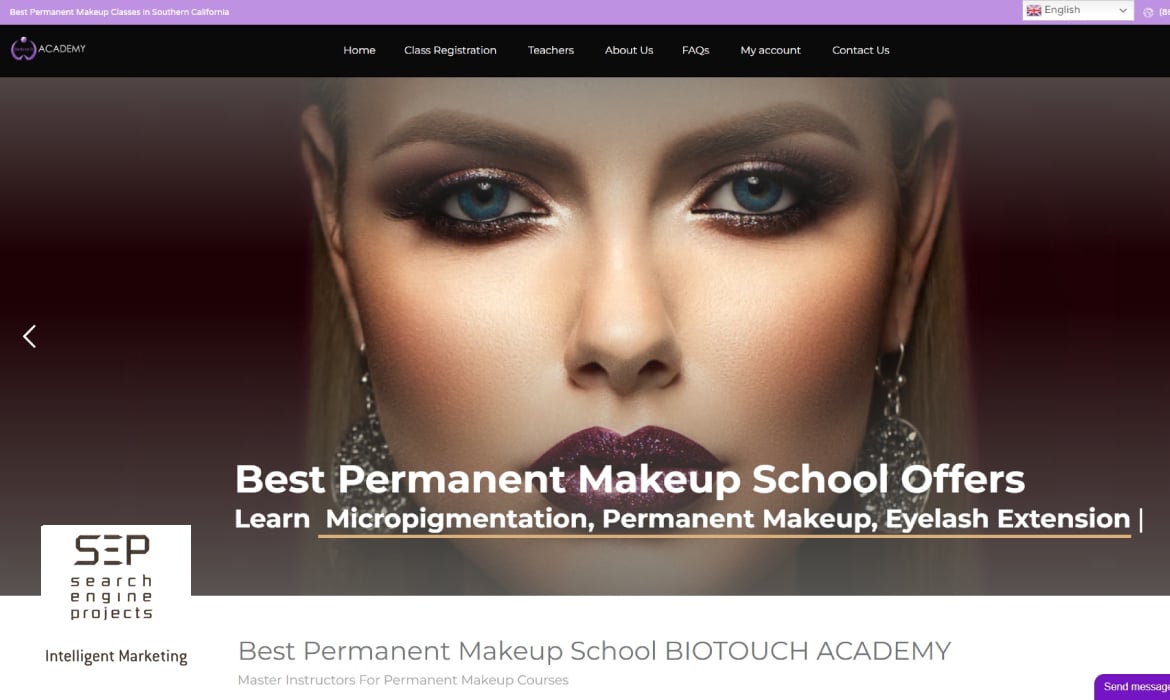
It should help turn visitors into appointments.
A successful salon website should clearly display your services, location, hours, phone number, reviews, photos, pricing information when appropriate, team members, and booking options.
Avoid making customers search through multiple pages to figure out what you provide.
If balayage, highlights, haircuts, blowouts, hair extensions, manicures, pedicures, facials, lashes, or other services are important to your business, make them easy to find.
Every important page should provide a clear next step such as:
Book an Appointment
Call the Salon
Schedule a Consultation
Your website should also work properly on smartphones because many salon searches occur when people are ready to compare providers and make an appointment.
2. Make Online Booking Extremely Easy
One of the simplest ways to improve salon marketing performance is to reduce the number of steps required to schedule an appointment.
Potential clients should not have to wait until business hours to call the salon.
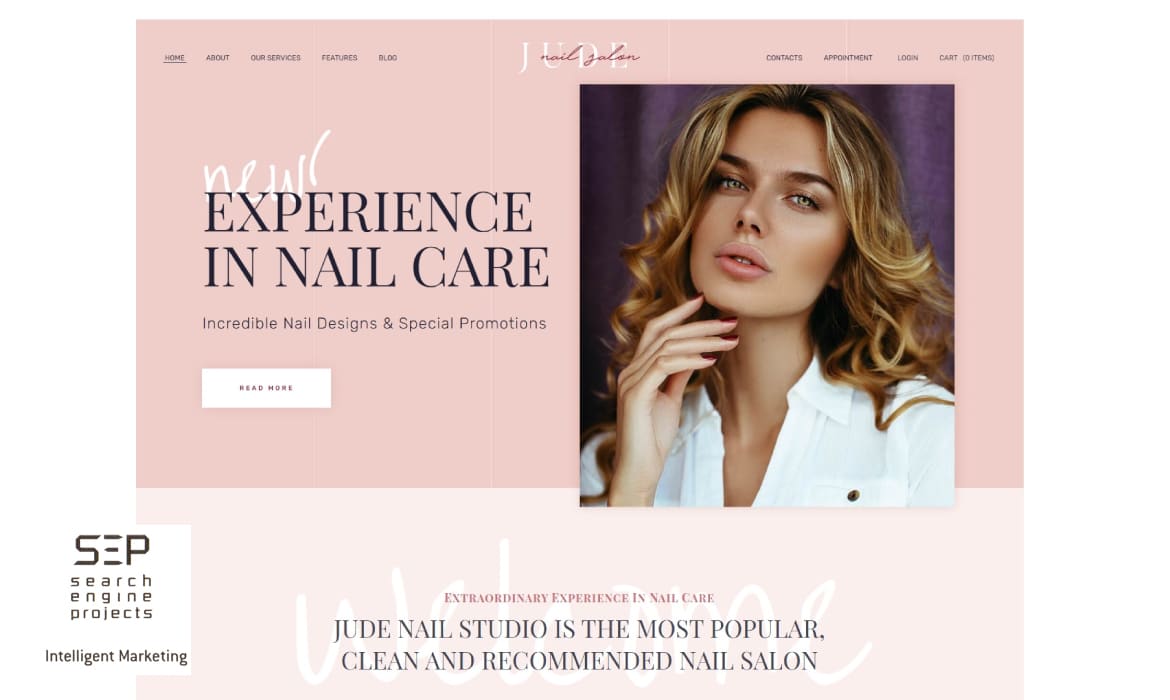
Provide an online booking option that allows customers to:
- Select a service
- Select a stylist when appropriate
- View availability
- Choose an appointment time
- Receive confirmation
- Reschedule when necessary
Add booking buttons prominently throughout the website.
You can also connect booking opportunities from your Google Business Profile and social media profiles when supported by your booking platform.
The easier you make it to schedule an appointment, the less opportunity a potential customer has to leave and choose another salon.
3. Optimize Your Google Business Profile
For local salon marketing, your Google Business Profile should receive significant attention.
When someone searches for “beauty salon near me,” “hair salon near me,” “nail salon near me,” or a specific beauty service in their city, Google Maps results can become an important source of discovery.
Make sure your profile includes accurate:
- Salon name
- Address
- Phone number
- Business hours
- Website
- Booking link
- Business categories
- Services
- Photos
- Business description
Continue updating the profile instead of treating it as a one-time setup.
Upload recent photos of hairstyles, nails, salon interiors, team members, and completed work.
A current and complete profile gives potential customers more information before they decide whether to contact you.
4. Build a Consistent Google Review Strategy
Reviews influence both trust and local visibility.
A salon with current reviews describing real client experiences may appear more credible than a competitor with very few reviews or reviews that are several years old.

Develop a simple process for asking satisfied clients for feedback.
The ideal time is often shortly after a successful appointment.
You might send a text message or email containing a direct review link.
Do not stop at collecting reviews.
Respond professionally to them.
Responses demonstrate that your salon listens to clients and actively manages its reputation.
Review responses can also naturally reinforce services and location context without becoming repetitive or keyword-stuffed.
5. Create a Page for Every Important Salon Service
One common salon SEO mistake is placing every service on one general “Services” page.
Someone searching specifically for balayage has different needs than someone searching for hair extensions or a manicure.

Create useful pages for your major services, such as:
- Haircuts
- Hair coloring
- Balayage
- Highlights
- Blowouts
- Hair extensions
- Keratin treatments
- Hair Botox
- Manicures
- Gel manicures
- Pedicures
- Nail art
- Facials
- Lash extensions
- Brow services
- Makeup
Each page should explain the service, benefits, process, ideal candidates, maintenance, FAQs, and how to book.
This structure also helps search engines and AI systems better understand exactly what your salon offers.
6. Target Local Salon Search Terms
Salon searches often have strong geographic intent.
People rarely want a hairstylist hundreds of miles away.

They search terms such as:
“balayage near me”
“hair salon Irvine”
“nail salon Anaheim”
“hair extensions Newport Beach”
“best hair salon Orange County”
“blowout salon near me”
Identify the service + city combinations that matter to your business.
Use those phrases naturally within service pages, page titles, descriptions, image information, headings, and relevant content.
Do not simply repeat city names.
The page should genuinely demonstrate that your salon serves customers in that geographic market.
7. Develop a Local SEO Strategy Beyond Google Maps
Google Business Profile optimization is only one component of local SEO for salons.
Your website and overall online presence should reinforce accurate geographic information.

Local SEO can include:
- Accurate business citations
- Consistent name, address, and phone information
- Local backlinks
- City and neighborhood relevance
- Service pages
- Reviews
- Local business partnerships
- Location-specific content
- Structured data
For example, an Orange County salon may serve clients from Anaheim, Costa Mesa, Fullerton, Irvine, Newport Beach, Orange, Santa Ana, Tustin, and surrounding communities.
Your local marketing strategy should reflect where your real customers come from without creating thin or nearly identical pages for every city.
8. Optimize Your Salon for AI Search and GEO
People increasingly research businesses through conversational and AI-powered search experiences in addition to traditional search results.
This makes Generative Engine Optimization, or GEO, relevant to salon marketing.

Your goal should be to make it easy for search and AI systems to understand:
- Who you are
- Where your salon is located
- What services you provide
- Who provides those services
- What makes your salon different
- What customers say about you
- Which areas you serve
- How customers can book
Detailed service pages, FAQs, staff profiles, customer reviews, structured information, locally relevant content, and consistent business information can strengthen this understanding.
GEO should complement your salon’s SEO strategy, not replace it.
9. Publish Before-and-After Photos
Beauty is a visual industry.
Potential clients want to see what you can do.
Before-and-after content is particularly effective because it demonstrates transformation instead of simply making claims about quality.

Show examples of:
- Hair color corrections
- Balayage
- Highlights
- Hair extensions
- Haircuts
- Nail designs
- Lash extensions
- Brow treatments
- Makeup
- Skincare results when appropriate
Always obtain permission before publishing identifiable client images.
Use high-quality photographs across your website, Google Business Profile, Instagram, Facebook, TikTok, Yelp, and other marketing channels.
10. Use Instagram as Your Visual Portfolio
Instagram can function as an ongoing portfolio for salon businesses.
Instead of posting only promotional graphics, show your actual work.
Potential clients often want to know:
“Can this salon create the look I want?”
Your Instagram content can answer that question.
Publish a combination of:
- Before-and-after transformations
- Hairstyling videos
- Nail designs
- Staff introductions
- Client reactions
- Product recommendations
- Hair care advice
- Behind-the-scenes content
- New services
- Seasonal trends
Include your city or service area naturally in captions when relevant so users immediately understand where the salon is located.
11. Create Short Videos for Instagram Reels and TikTok
Short-form video is especially well suited to the beauty industry because transformations are visually engaging.
Instead of simply posting a completed hairstyle, show portions of the process.
For example:
Before → Color Process → Final Result
Other ideas include:
- 30-second hair transformations
- Nail art creation
- Styling tips
- Product demonstrations
- Hair myths
- Stylist introductions
- Color correction transformations
- Frequently asked questions
- Behind-the-scenes salon content
You do not need studio-quality production.
Clear, authentic videos showing real expertise can often be more engaging than highly produced advertisements.
12. Build Content Around Questions Clients Actually Ask
Your clients already provide you with content ideas every day.
Listen to their questions.
They may ask:
“How long does balayage last?”
“How often should I color my roots?”
“Is Hair Botox good for damaged hair?”
“How long do gel nails last?”
“What is the difference between highlights and balayage?”
Those questions can become:
- Blog articles
- FAQ sections
- Instagram posts
- Reels
- TikTok videos
- Google Business Profile posts
- YouTube videos
Question-based content is valuable for SEO and GEO because it directly addresses the language people use when searching.
13. Create a Salon Blog Based on Search Intent
A salon blog should not exist simply because someone told you that blogging helps SEO.
Create articles around topics people actually search.
Examples include:
- How Long Does Balayage Last?
- What Is Hair Botox Treatment?
- Balayage vs Highlights
- How Often Should You Get a Haircut?
- How to Make Gel Nails Last Longer
- What Hair Color Is Best for Gray Coverage?
- How Should You Prepare for a Keratin Treatment?
- How Often Should You Get a Pedicure?
Each article can answer the searcher’s question and then direct interested readers toward the relevant salon service.
That creates a natural relationship between informational content and appointment-generating service pages.
14. Use Yelp as a Customer Acquisition Channel
Many consumers use Yelp when evaluating local beauty businesses.
Maintain a complete profile with accurate services, hours, photos, contact information, and business details.
Respond professionally to customer reviews.
Before-and-after work and service-specific portfolio content can also help potential customers understand what your salon provides.
Depending on your market and competition, Yelp Ads may also offer another channel to reach consumers actively searching for local salon services.
As with any advertising platform, track calls, messages, bookings, and lead quality rather than judging performance only by impressions.
15. Run Google Ads for High-Intent Services
SEO is valuable for long-term visibility, but Google Ads can help salons reach people actively searching right now.
Focus advertising on services with clear commercial intent.
Examples include:
“balayage salon near me”
“hair extensions near me”
“hair color salon”
“nail salon near me”
“keratin treatment near me”
Target advertising geographically so your budget reaches potential clients who can realistically visit your salon.
Send each ad to the most relevant service page instead of automatically sending everyone to the homepage.
Most importantly, track phone calls, booking requests, and completed appointments whenever possible.
16. Use Social Media Advertising Strategically
Instagram and Facebook advertising can introduce your salon to people who are not actively searching on Google.
Visual campaigns work especially well when the service produces an obvious transformation.

Instead of advertising every salon service at once, build focused campaigns.
For example, create one campaign for balayage, another for nails, and another for hair extensions.
Use strong photographs or short videos, define a realistic geographic radius, and provide a clear offer or booking action.
17. Create a Client Referral Program
Word-of-mouth remains extremely powerful for beauty businesses.
Give satisfied clients a reason to introduce friends and family.
A referral program might provide:
- Service credit
- A complimentary add-on
- A future discount
- Product credit
- Loyalty points
Make the program simple.
If customers cannot easily understand the reward, they are less likely to participate.
Track which clients generate referrals so you can identify and reward your strongest advocates.
18. Build a Client Loyalty Program
Acquiring a new customer is only part of salon growth.
Repeat appointments are essential.
A loyalty program can encourage clients to continue returning rather than switching between salons.
Rewards might be based on:
- Number of visits
- Amount spent
- Referrals
- Product purchases
- Pre-booked appointments
Avoid relying entirely on discounts.
Priority booking, complimentary upgrades, birthday benefits, special events, and early access to new services can also create value.
19. Encourage Clients to Rebook Before Leaving
One of the easiest marketing opportunities happens while the customer is already in your salon.
Before a satisfied client leaves, ask whether they would like to schedule their next appointment.

This is particularly useful for services requiring regular maintenance, including:
- Root touch-ups
- Hair coloring
- Haircuts
- Hair extensions
- Manicures
- Pedicures
- Lash fills
- Brow services
Pre-booking reduces the chance that customers forget, wait too long, or choose another provider.
20. Use Email and SMS Marketing
Your existing customer database can become one of your most valuable marketing assets.
With appropriate customer consent, use email or text messaging to communicate relevant information.
Examples include:
- Appointment reminders
- Last-minute openings
- New services
- Seasonal promotions
- Birthday offers
- Salon news
- Product recommendations
- Maintenance reminders
- Rebooking opportunities
Avoid sending promotions constantly.
Useful, timely messages are more likely to maintain attention than nonstop discounts.
21. Promote Slow Appointment Times Intelligently
Most salons have certain days or times that are harder to fill.
Instead of discounting everything, design promotions around available capacity.

For example:
Tuesday Blowout Special
Wednesday New-Client Color Consultation
Last-Minute Thursday Appointment
This approach allows you to stimulate demand without training customers to expect reduced prices during your busiest periods.
Email, SMS, Instagram Stories, and Google Business Profile updates can help promote short-term availability.
22. Partner With Complementary Local Businesses
Local partnerships can introduce your salon to customers who are already spending money on related services.
Potential partners include:
- Bridal boutiques
- Wedding planners
- Photographers
- Fitness studios
- Fashion boutiques
- Med spas
- Event planners
- Hotels
- Makeup artists
- Local influencers
Develop partnerships that make sense for both businesses.
For example, a bridal salon and hairstylist can create a wedding beauty package, while a photographer and makeup artist might refer clients to one another.
These partnerships can also strengthen local brand recognition and create valuable local mentions and links.
23. Develop Bridal and Group Packages
Weddings, parties, graduations, photo shoots, and other events can create valuable group-booking opportunities.

Create clearly defined packages for:
- Bridal hair
- Bridal makeup
- Bridesmaids
- Engagement photos
- Birthday groups
- Prom
- Graduation
- Special events
Create dedicated pages on your website for these services.
A dedicated “Bridal Hair and Makeup” page generally provides a stronger customer experience than expecting visitors to find bridal services buried in a generic service list.
24. Showcase Your Stylists as Experts
Clients frequently develop loyalty to individual beauty professionals.
Use that relationship in your marketing.
Create stylist profiles featuring:
- Professional photo
- Experience
- Specialties
- Certifications
- Favorite services
- Before-and-after work
- Social media links
- Booking option
For example, someone specifically looking for a blonde specialist, balayage expert, curly-hair stylist, nail artist, or extension specialist can identify the right team member before booking.
Detailed professional profiles can also strengthen expertise signals for SEO and GEO.
25. Track Which Marketing Actually Generates Salon Clients
A salon may be active on Google, Yelp, Instagram, TikTok, Facebook, email, paid advertising, and several other platforms.

But which channel generates appointments?
Track results whenever possible.
Useful salon marketing metrics include:
- Website visitors
- Google Maps interactions
- Phone calls
- Booking requests
- New clients
- Repeat appointments
- Cost per lead
- Cost per new customer
- Google Ads conversions
- Yelp leads
- Review growth
- Popular service pages
- Organic search visibility
Ask new clients how they found you.
You may discover that one marketing channel generates many clicks but few appointments, while another generates fewer visitors but better clients.
Successful marketing requires more than activity.
It requires understanding what produces measurable business results.
Build a Salon Marketing System Instead of Chasing Trends
Salon marketing works best when individual tactics support each other.
Consider this customer journey:
A potential client searches “balayage salon near me.”
She discovers your salon on Google Maps.
She sees strong reviews and recent photos.
She visits your website and reads your balayage page.
She looks at your stylist’s before-and-after work.
She checks Instagram.
She finds the answers to her questions on your website.
Then she books online.
That appointment was not generated by one tactic.
Google Maps, local SEO, reviews, website design, content, social media, reputation management, and booking optimization all contributed to the conversion.
That is why successful salon marketing should be viewed as a connected system.
Salon Marketing With Search Engine Projects
Competition between beauty salons can be intense, particularly in markets such as Orange County and Los Angeles where customers may have dozens of choices within a relatively small geographic area.
Talented stylists and excellent service are essential, but potential clients still need to find your salon before they can experience the quality of your work.
Search Engine Projects helps beauty salons develop integrated digital marketing strategies designed around visibility, customer acquisition, and measurable growth.
Salon marketing strategies may incorporate Search Engine Optimization, Local SEO, Generative Engine Optimization, Google Ads, Yelp Ads, social media marketing, website design, content development, analytics, conversion optimization, and reputation management.
The goal is not simply to generate more website traffic or social media followers.
The goal is to help the right potential clients discover your salon, trust your work, and schedule appointments.
Whether your salon wants to promote hair coloring, balayage, highlights, hair extensions, cuts, blowouts, nails, skincare, lashes, makeup, or other beauty services, Search Engine Projects can evaluate how customers currently find you and identify opportunities to improve your visibility across Google, Google Maps, local search, advertising platforms, social media, and emerging AI-powered search experiences.
A successful salon marketing strategy should ultimately answer three questions:
Can potential customers find your salon?
Do they trust what they see?
Is it easy for them to book?
When all three answers are yes, your marketing has a much better chance of turning online visibility into actual appointments.
Frequently Asked Questions
What is the best marketing strategy for a beauty salon?
The best strategy usually combines several channels rather than relying on one. Local SEO, Google Business Profile optimization, reviews, service-specific website pages, social media content, referrals, online booking, email or SMS retention, and targeted advertising can work together to generate new and repeat clients.
How can I attract more clients to my salon?
Improve your visibility where potential customers already search. Optimize Google Maps, build service pages targeting relevant searches, collect reviews, publish before-and-after work, make online booking easy, use social media consistently, and encourage existing clients to refer friends and family.
How can a salon rank higher on Google?
Salon SEO can include optimizing the website for relevant services and locations, creating individual service pages, improving technical SEO, building local citations and links, earning customer reviews, publishing useful content, and maintaining a complete Google Business Profile.
Is Google Business Profile important for salons?
Yes. Google Business Profile can help potential customers find a salon through Google Search and Maps. Accurate services, business information, photographs, reviews, hours, and booking links can help customers evaluate the salon before visiting the website or calling.
Does social media marketing work for beauty salons?
Social media can work particularly well for salons because hair, nails, makeup, lashes, and other beauty services are highly visual. Before-and-after images, transformations, short videos, stylist content, educational tips, and client results can help demonstrate the quality and style of your work.
Should beauty salons use Instagram or TikTok?
Many salons can benefit from both. Instagram is useful for maintaining a visual portfolio and communicating with existing and potential clients, while TikTok and short-form video can help expose transformation-based content to new audiences. The best platform depends on your clientele and available content resources.
Should salons use Google Ads?
Google Ads can be effective for high-intent local searches such as “hair salon near me,” “balayage near me,” or “hair extensions near me.” Campaigns should use appropriate geographic targeting, relevant landing pages, conversion tracking, and careful keyword management.
What is local SEO for a beauty salon?
Local SEO focuses on improving visibility among customers in the salon’s geographic market. It can involve Google Business Profile optimization, reviews, local keywords, citations, service and location content, local links, consistent business information, and Google Maps optimization.
What is GEO for beauty salons?
Generative Engine Optimization, or GEO, focuses on making information about your salon clear and authoritative for AI-powered search and answer platforms. Detailed service information, FAQs, staff expertise, reviews, location information, structured content, and consistent business details can help establish stronger digital entity signals.
How do I know whether my salon marketing is working?
Track actual business outcomes such as new-client appointments, phone calls, online bookings, repeat visits, lead sources, advertising conversions, cost per new client, Google Maps activity, organic search visibility, and review growth. Marketing should ultimately drive appointments and revenue, not just impressions, clicks, or followers.
If you are a beauty salon owner looking for the right salon marketing agency to attract new hair salon clients, contact Search Engine Projects for beauty salon marketing that works.